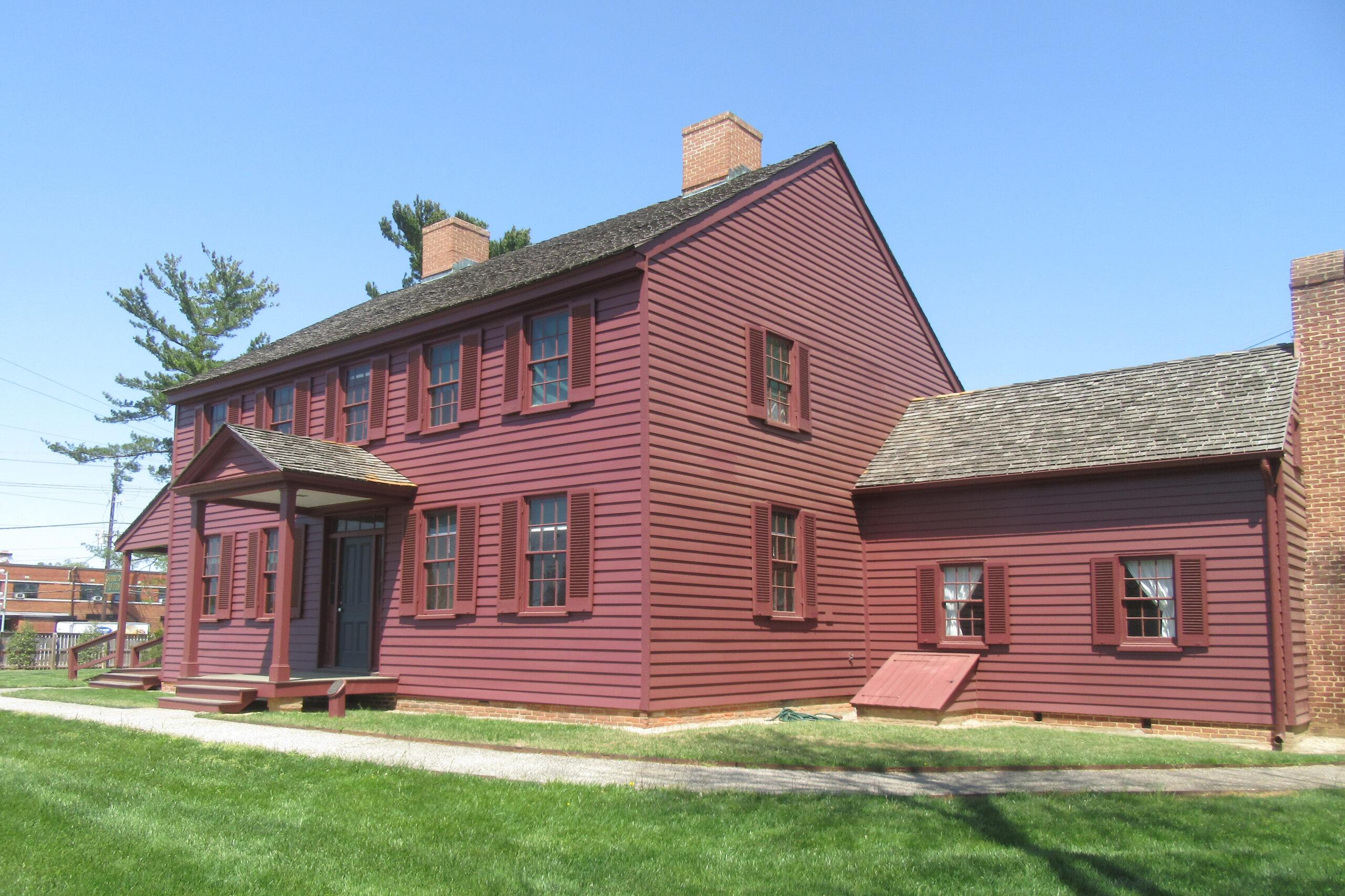
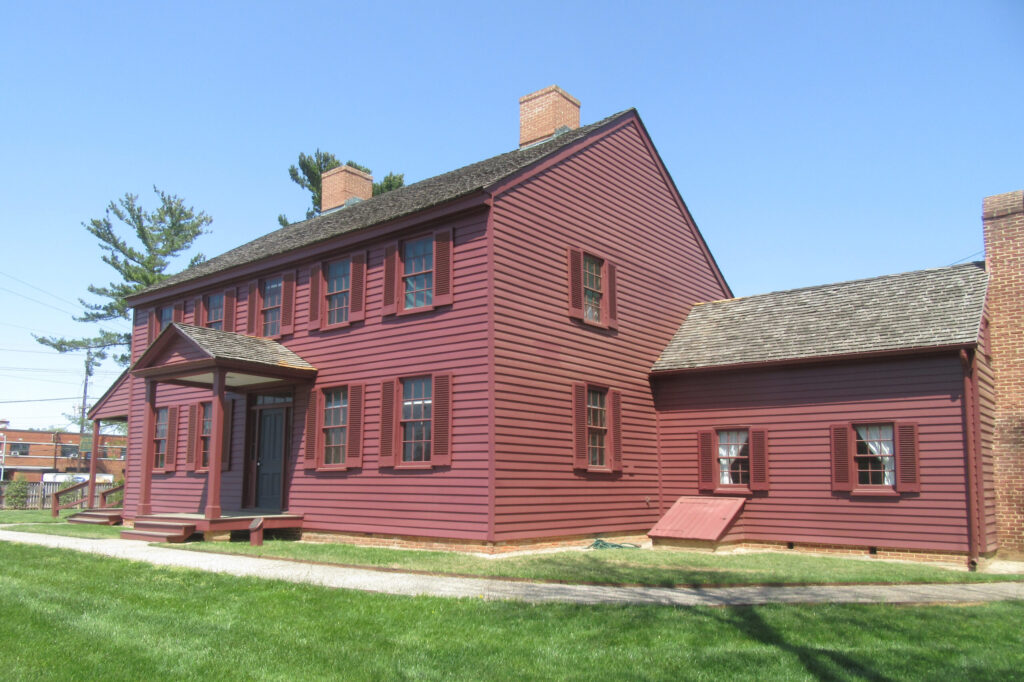
The goal of the project was to address the exterior envelope of the building. The exterior clapboard siding was in poor condition and had been repaired in a piecemeal fashion over the years. Additionally, the condition of the timber framed structure was unknown.
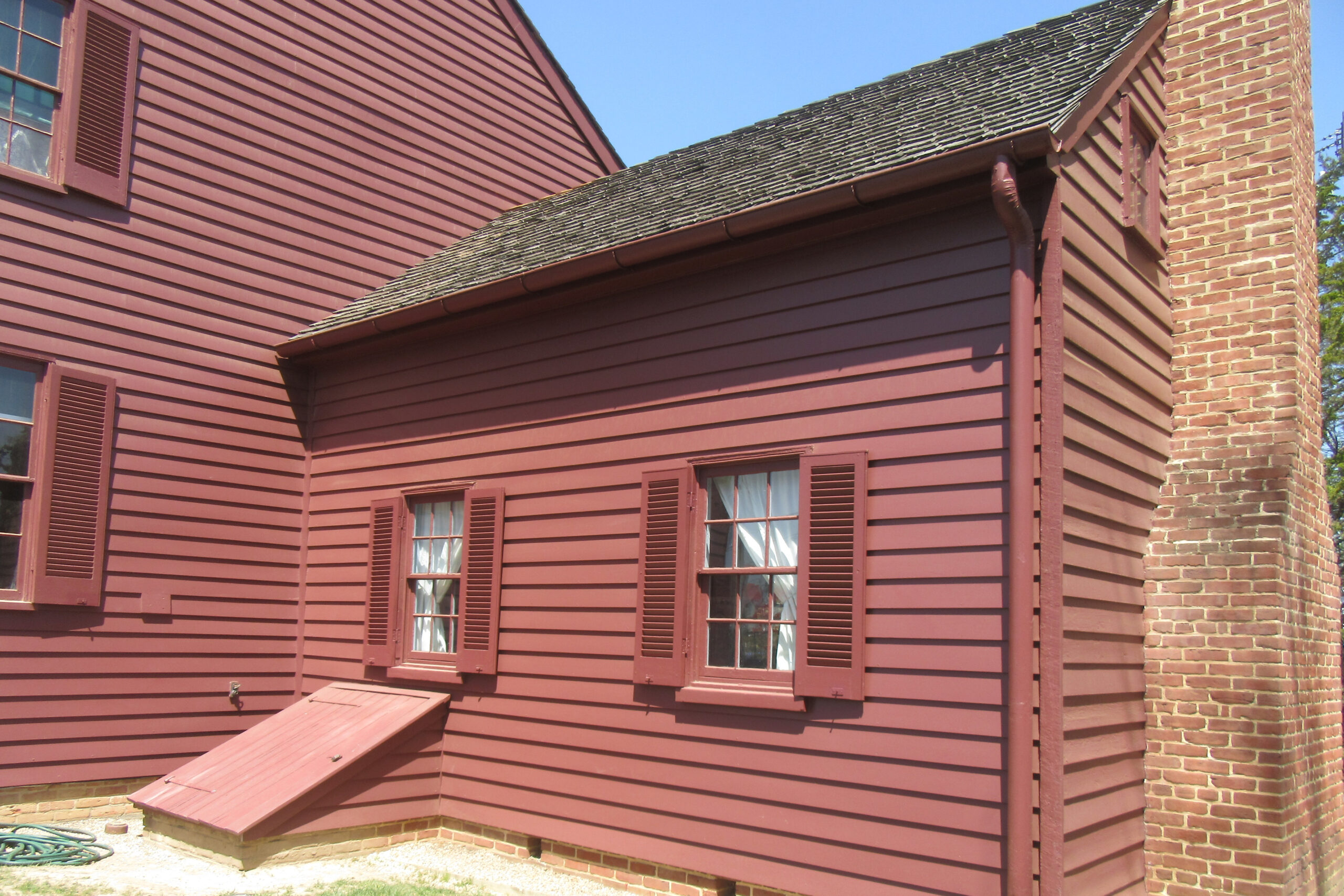
WEI removed all of the exterior clapboards, most of which did not date to the original construction of the house, and replaced them with custom milled vertical grain western red cedar. Dimensions and exposure for the new clapboards were determined from examining the surviving originals remaining in the west gable end. A paint analysis was performed by the owner to determine the original color of the building, which WEI then used to match the finish of the replacement siding.
During the siding removal and replacement, the timber frame of the structure was examined and repaired using epoxy and consolidant and wood dutchmen. An approximately 12’ section of the timber sill under the main entrance was determined to be beyond repair and was replaced using salvaged white oak timber and traditional timber frame joinery methods.
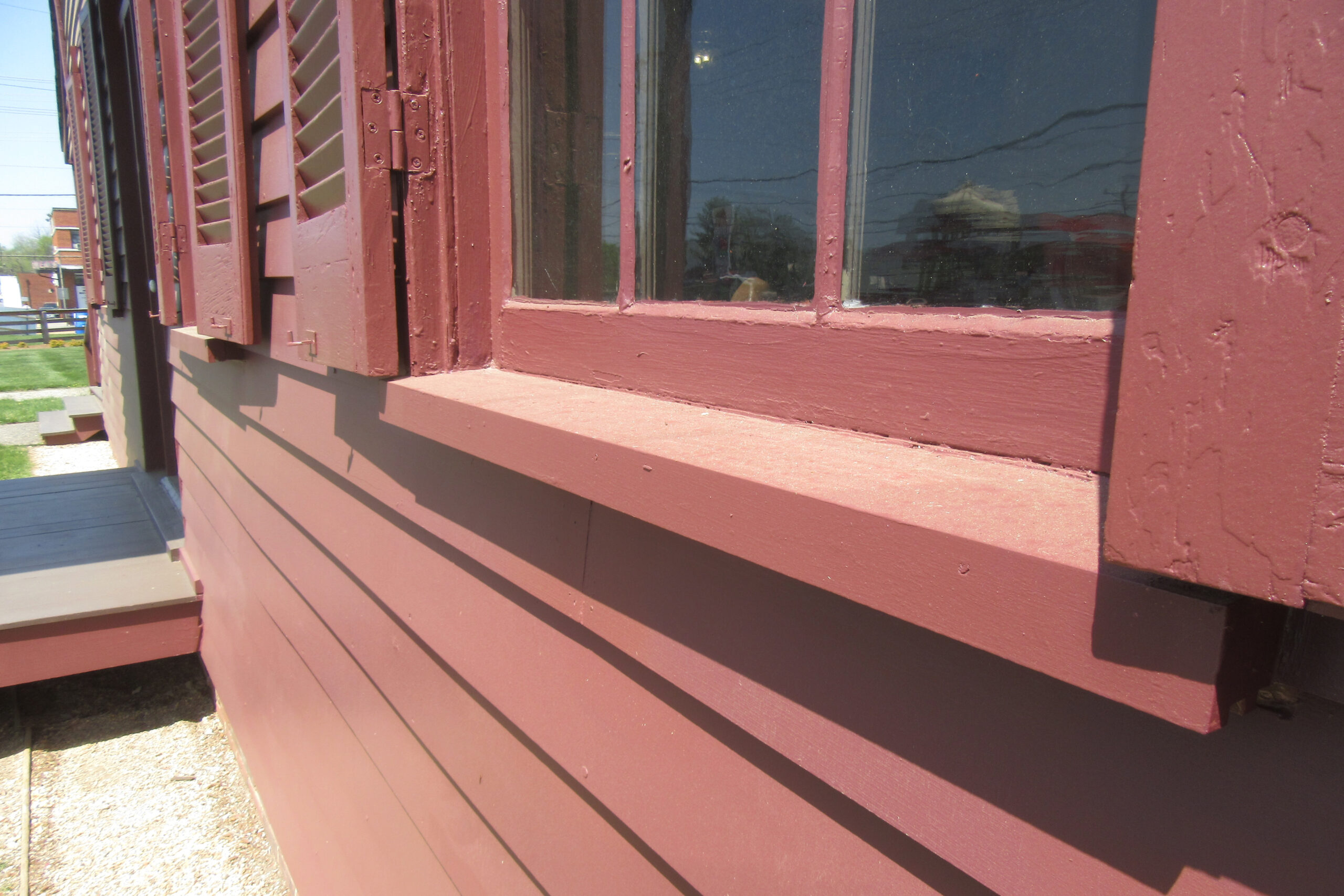
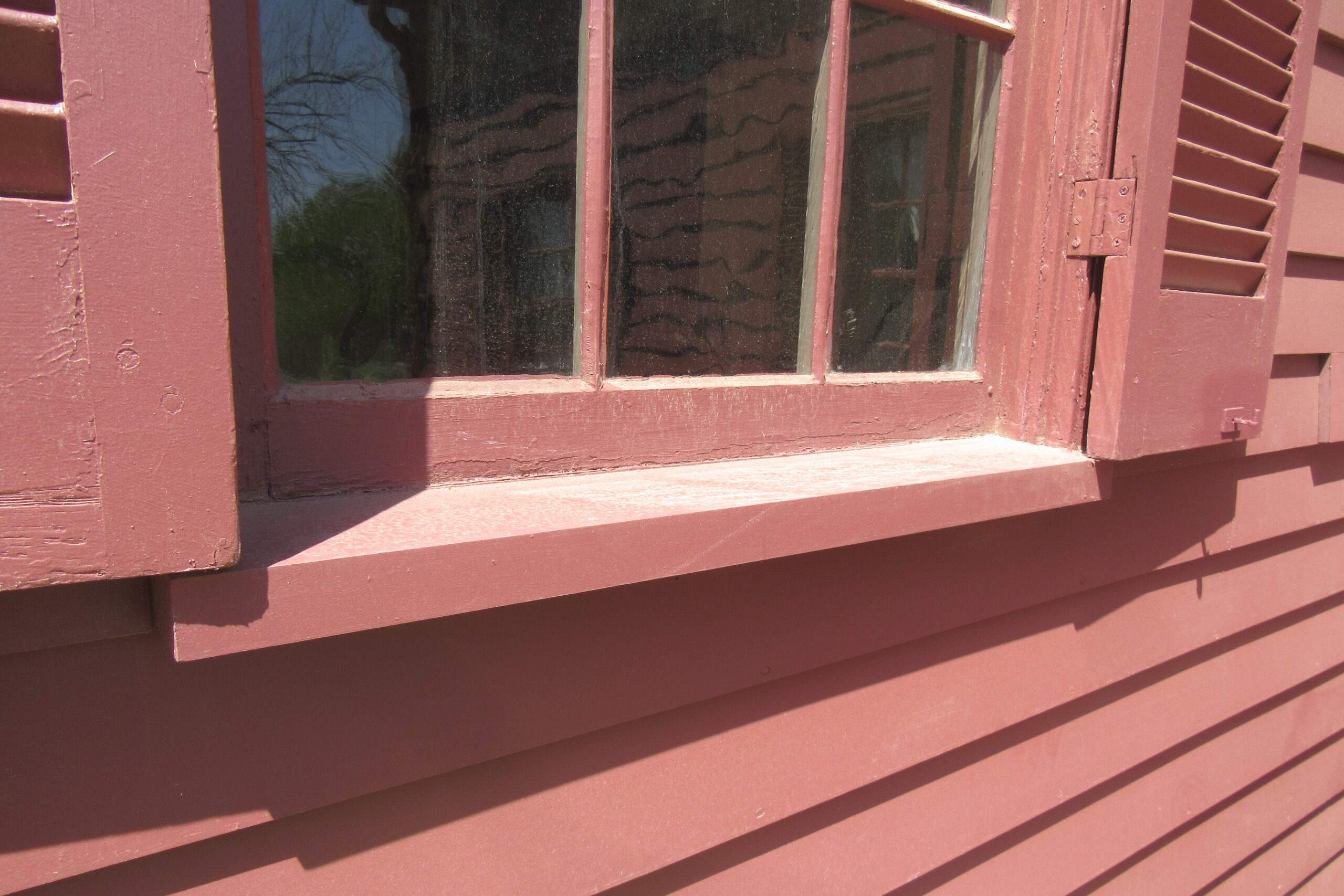
The windows, trim and shutters were restored in place with spot reglazing, wood repairs and repainted. WEI provided all access and self-performed all work on the project.